At a glance
- Built: Medieval origin (c. 1200) — reconstruction c. 1880s
- Location: Bygdøy, Oslo (originally Gol, Hallingdal)
- Type: Stave church reconstruction with medieval elements
- Materials: Pine staves, tarred shingles
Reconstructed medieval stave church at the Norwegian Museum of Cultural History, Bygdøy (Oslo)
The Gol Stave Church visitors see today stands at the Norwegian Museum of Cultural History on Bygdøy, Oslo. It is a faithful 19th-century reconstruction of a medieval stave church originally located in Gol, Hallingdal. Using surviving medieval elements and detailed documentation, the project preserved the church’s traditional timber frame (staves) and dramatic, steeply tiered roof forms.
The reconstruction was commissioned by King Oscar II in the 1880s, during a period when many rural stave churches were being torn down. The original church in Gol was threatened with demolition, but detailed surveys allowed a full-scale replica to be built in Oslo. Portions of the original 13th-century materials were incorporated, blending authentic medieval timber with new 19th-century craftsmanship.
Architecturally, Gol shares many features with Norway’s surviving stave churches such as Borgund and Heddal: a central nave surrounded by aisles, steep pitched roofs, and carved wooden portals decorated with dragons and vines. The reconstruction aimed to be as accurate as possible, ensuring that city visitors could experience the same silhouette and artistry found in Hallingdal’s countryside.
Today, Gol Stave Church serves as a cultural bridge. It reflects Norway’s transition from the Viking Age into medieval Christianity, as well as the 19th-century preservation movement that recognized the stave churches as national treasures. It remains one of Oslo’s most photographed landmarks and a key introduction to stave church architecture for international visitors.
Gol Stave Church is more than a museum exhibit—it represents Norway’s early efforts at cultural preservation. When the original church in Gol faced demolition in the late 1800s, preservationists and King Oscar II ensured its survival by reconstructing it in Oslo. This act marked one of Norway’s first large-scale heritage conservation projects.
As one of the most visited stave churches in the country, Gol has become a model for replicas worldwide. Copies exist as far away as North Dakota in the United States and in Poland, demonstrating the church’s global cultural resonance. Its silhouette, with tiered roofs and dragon-head gables, has become an icon of Norwegian medieval identity.
Visiting Gol allows travelers in Oslo to connect directly with Norway’s stave church heritage without needing to journey into the countryside. It is a cultural gateway, linking the capital city to traditions that shaped rural communities for centuries.
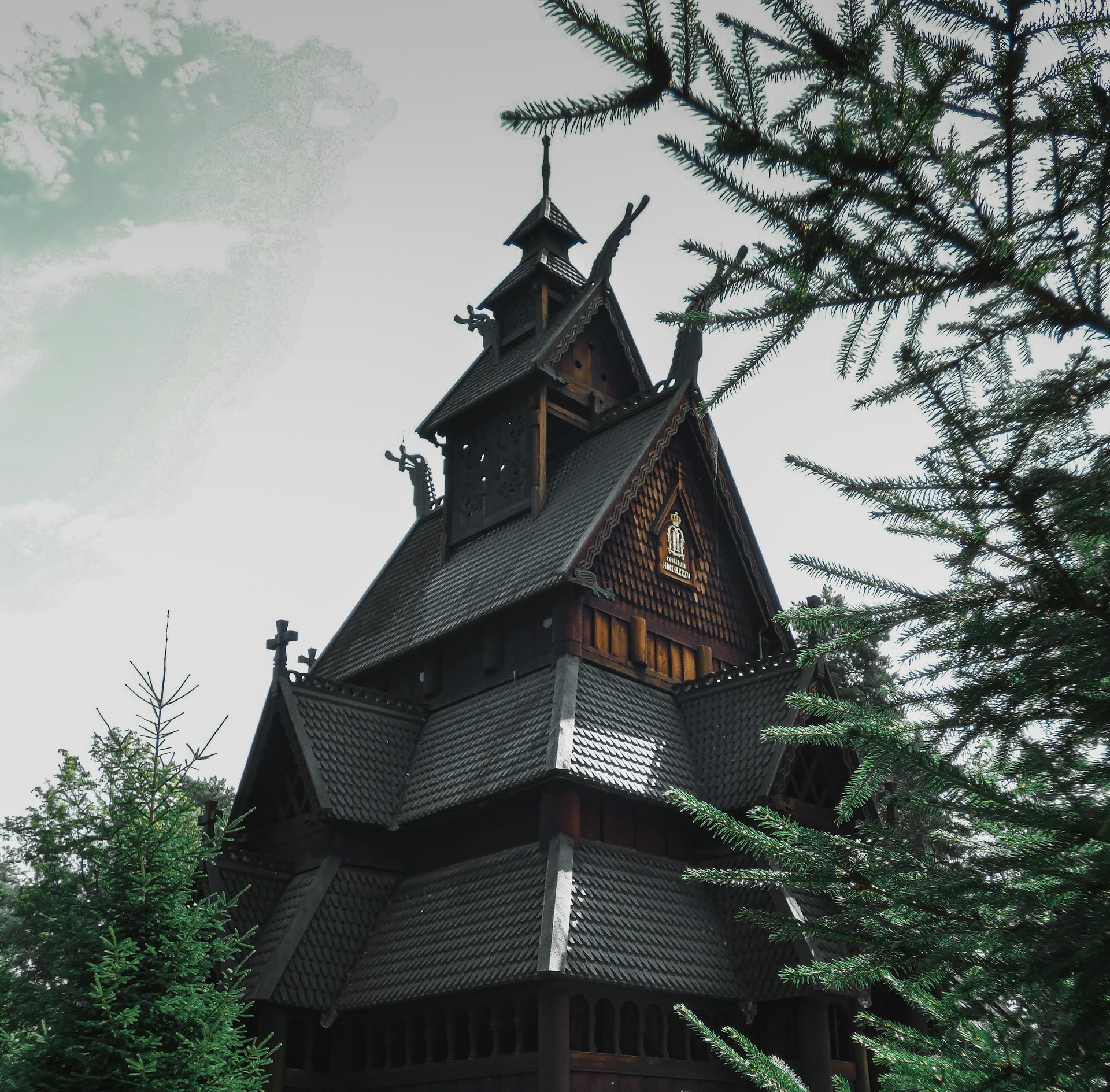
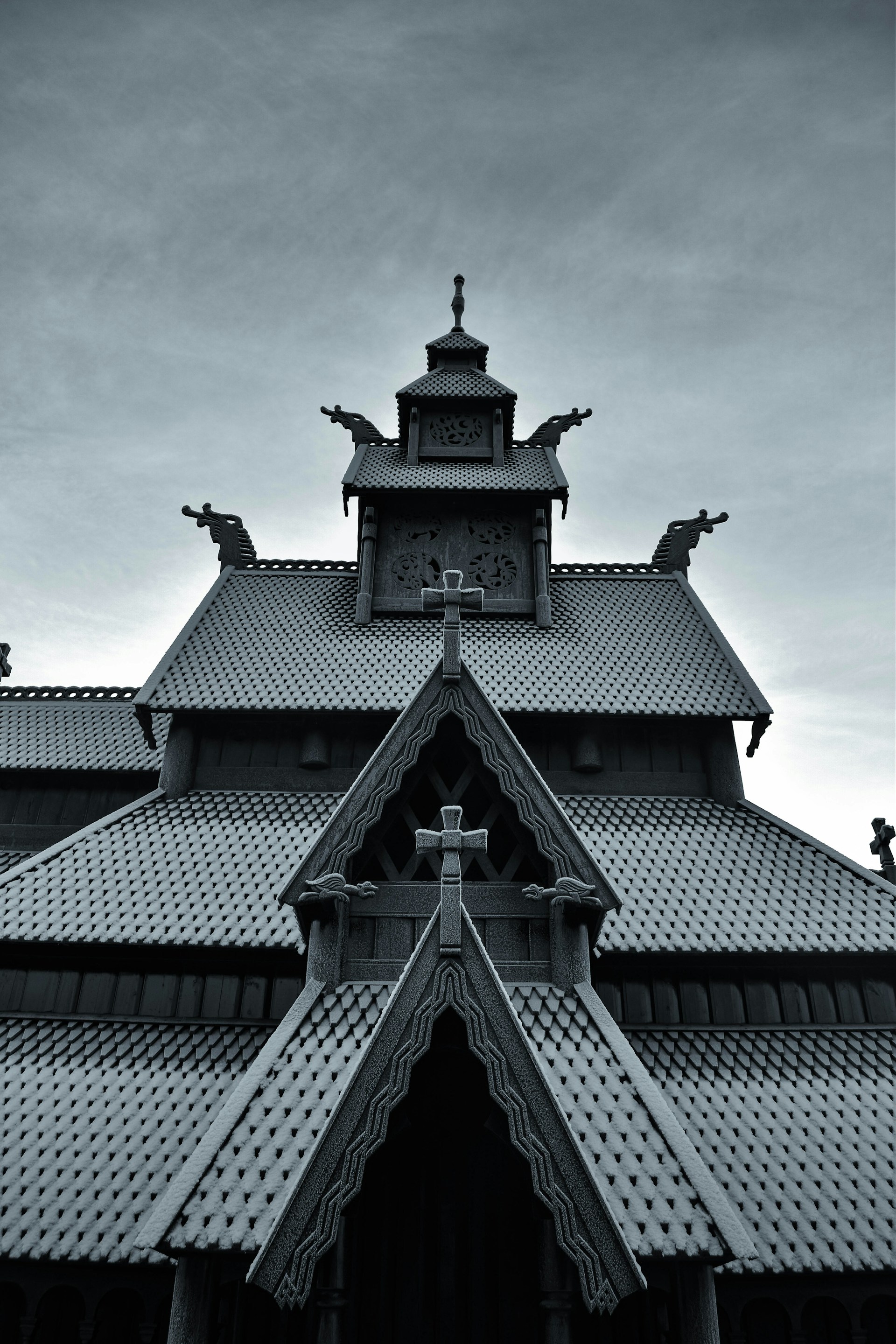
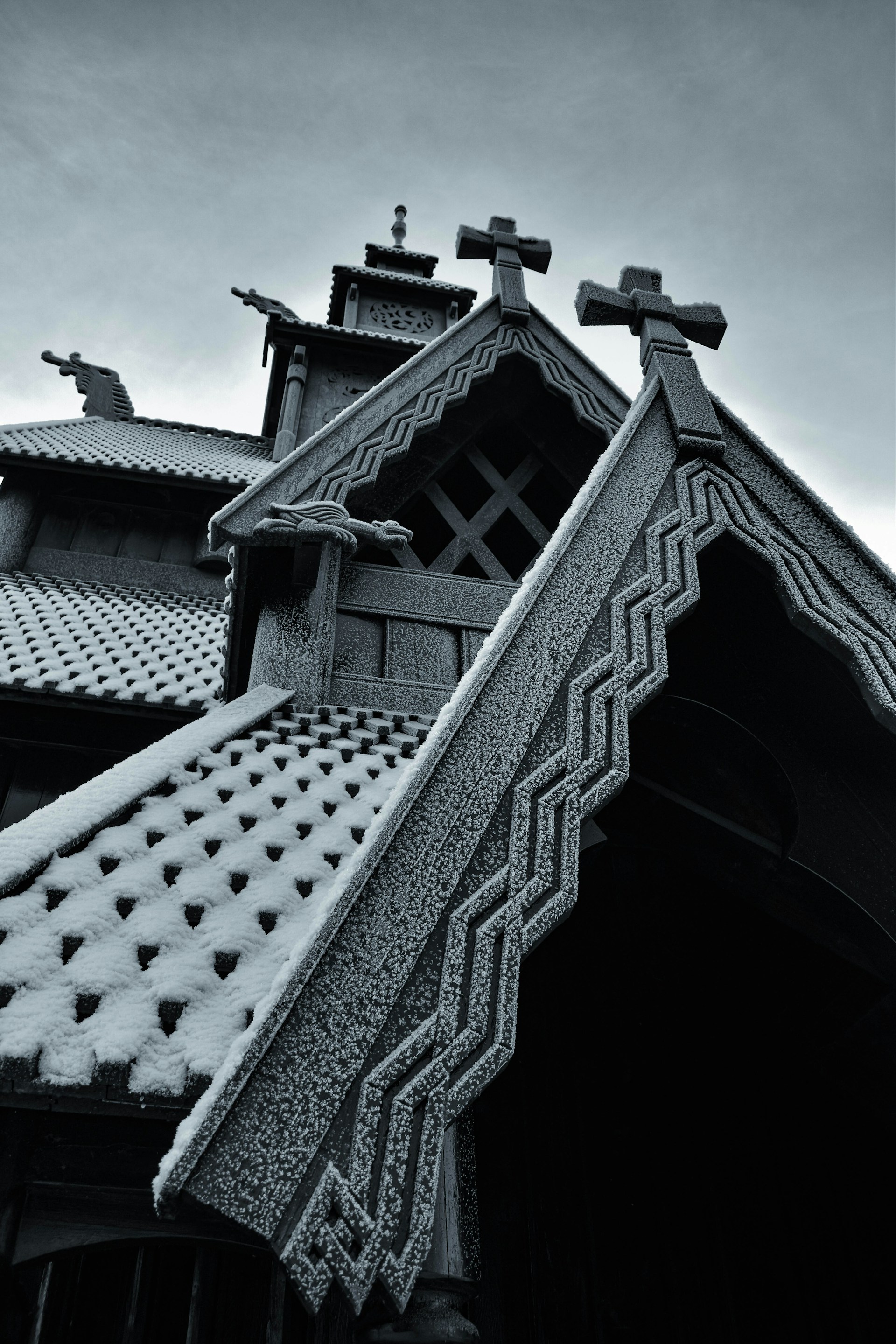
The church stands inside the Norwegian Museum of Cultural History on Bygdøy, Oslo. The peninsula is easily reached by bus or ferry from the city centre. Museum facilities, tickets, and exhibitions are on-site.
Gol Stave Church can only be visited as part of the Norwegian Museum of Cultural History, which hosts an extensive open-air collection of historic Norwegian buildings. Standard museum admission covers access to the church. Interiors are open seasonally, usually from late spring to early autumn, with guided tours available in summer.
Photography is permitted outside, and the best lighting conditions are during early morning or late afternoon when the tarred shingles and carved details catch warm sunlight. Inside, flash photography is often restricted to help preserve the medieval wood and painted decorations.
The museum grounds are family-friendly, with paved walkways suitable for strollers and wheelchairs. Cafés and picnic areas make it easy to spend half a day exploring Bygdøy’s heritage sites. Many visitors pair Gol with a ferry ride back to Oslo’s waterfront, enjoying views of the fjord.
At the Norwegian Museum of Cultural History on Bygdøy in Oslo. The original church came from Gol in Hallingdal.
It is a faithful reconstruction from the late 19th century, based on medieval elements and documentation from the original church.
Yes, during museum opening hours and seasonal guided visits.